
Già abitata nel periodo del Paleolitico, così come attestato dalla presenza di una dolina in contrada “Focone” e di un villaggio con capanne durante l’Età del Bronzo in località “Pazze“, l’antico “Portus Uxentinus vel Salentinus“, così come lo chiamarono i Romani, porto franco di tutta la Messapia e sede di un santuario dedicato alla dea Artemide – Diana, deduzione derivata dal rinvenimento archeologico di numerosi frammenti di terracotta, che i navigatori delle epoche storiche passate lasciarono qui, quale ex voto per il buon esito di un viaggio oppure per ringraziare la dea per i buoni guadagni commerciali che avevano riscontrato qui a Torre San Giovanni.
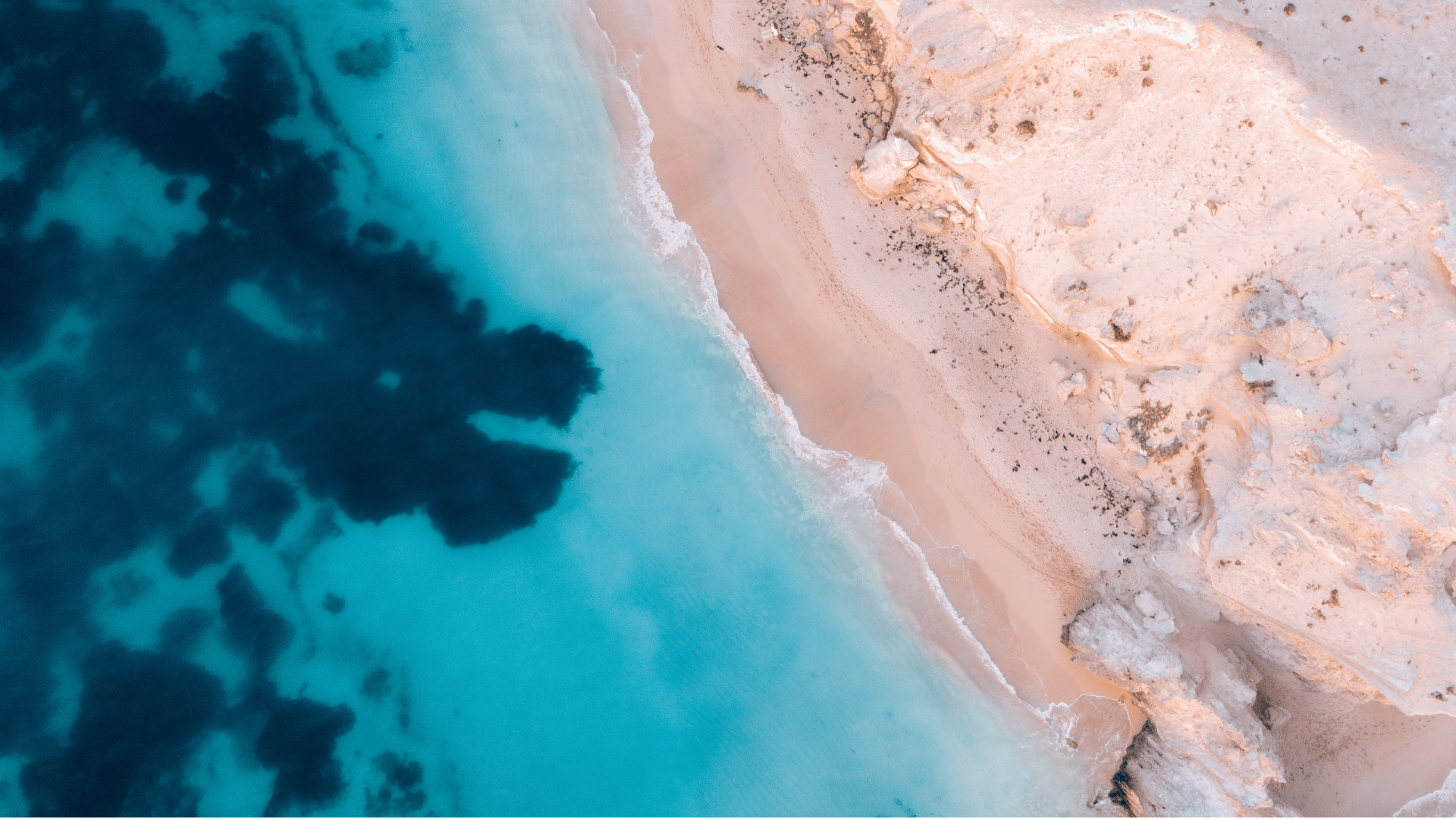
Questa frazione del Comune di Ugento, oggi meta turistica caratterizzata da ampie spiagge, dune sabbiose con vegetazione spontanea e macchia mediterranea e fondali marini bassi ed adatti alla balneazione di tutti prende il nome dal pittoresco faro, costruito nel 1565 e primo nel Salento, dedicato all’allora sovrano del Regno di Napoli Carlo V° d’Asburgo e poi rinominato “di San Giovanni”, e che aveva sia la funzione di difendere l’entroterra dalle scorribande di navi turche, sia di avvisare le imbarcazioni della presenza delle famigerate “Secche di Ugento”, scogli affioranti a pelo d’acqua che già dai tempi antichi causarono non pochi problemi e numerosi naufragi ai navigli in navigazione lungo questo tratto di litorale.
Oggi Torre San Giovanni vive sia in estate che in inverno, grazie alla presenza di numerose famiglie che nei decenni l’hanno scelto come luogo privilegiato dove vivere, grazie anche alla presenza di servizi essenziali e di numerose attrattive, osterie, pizzerie e locali che ne fanno sede anche di una discreta movida.
Da consigliare, nel periodo che va da giugno a settembre, un salto al Mercato Settimanale, che si svolge sull’ampio lungomare caratterizzato da un ampia scelta di venditori e di bancarelle che espongono e vendono prodotti tipici locali.
Already inhabited in the Paleolithic period, as attested by the presence of a sinkhole in the “Focone” district and a village with huts during the Bronze Age in the “Pazze” area, the ancient “Portus Uxentinus vel Salentinus“, as the Romans called it, a free port for all of Messapia and home to a sanctuary dedicated to the goddess Artemis – Diana, a deduction derived from the archaeological discovery of numerous terracotta fragments, which navigators of past historical eras left here, as a votive offering for the success of a voyage or to thank the goddess for the good commercial profits they had found here in Torre San Giovanni.
This hamlet of the Municipality of Ugento, today a tourist destination characterised by wide beaches, sandy dunes with spontaneous vegetation and Mediterranean scrub and low seabed suitable for everyone to swim in, takes its name from the picturesque lighthouse, built in 1565 and the first in Salento, dedicated to the then sovereign of the Kingdom of Naples Charles V° of Habsburg and later renamed “di San Giovanni”, and which had both the function of defending the hinterland from raids by Turkish ships, and of warning vessels of the presence of the infamous “Ugento Shoals“, rocks outcropping at the water’s surface that since ancient times have caused many problems and numerous shipwrecks for ships sailing along this stretch of coast.
Today Torre San Giovanni lives both in summer and winter, thanks to the presence of numerous families who over the decades have chosen it as a privileged place to live, thanks also to the presence of essential services and numerous attractions, taverns, pizzerias and clubs that also make it home to a decent nightlife. It is recommended, during the period from June to September, a visit to the Weekly Market, which takes place on the wide promenade characterized by a wide selection of vendors and stalls displaying and selling typical local products.